



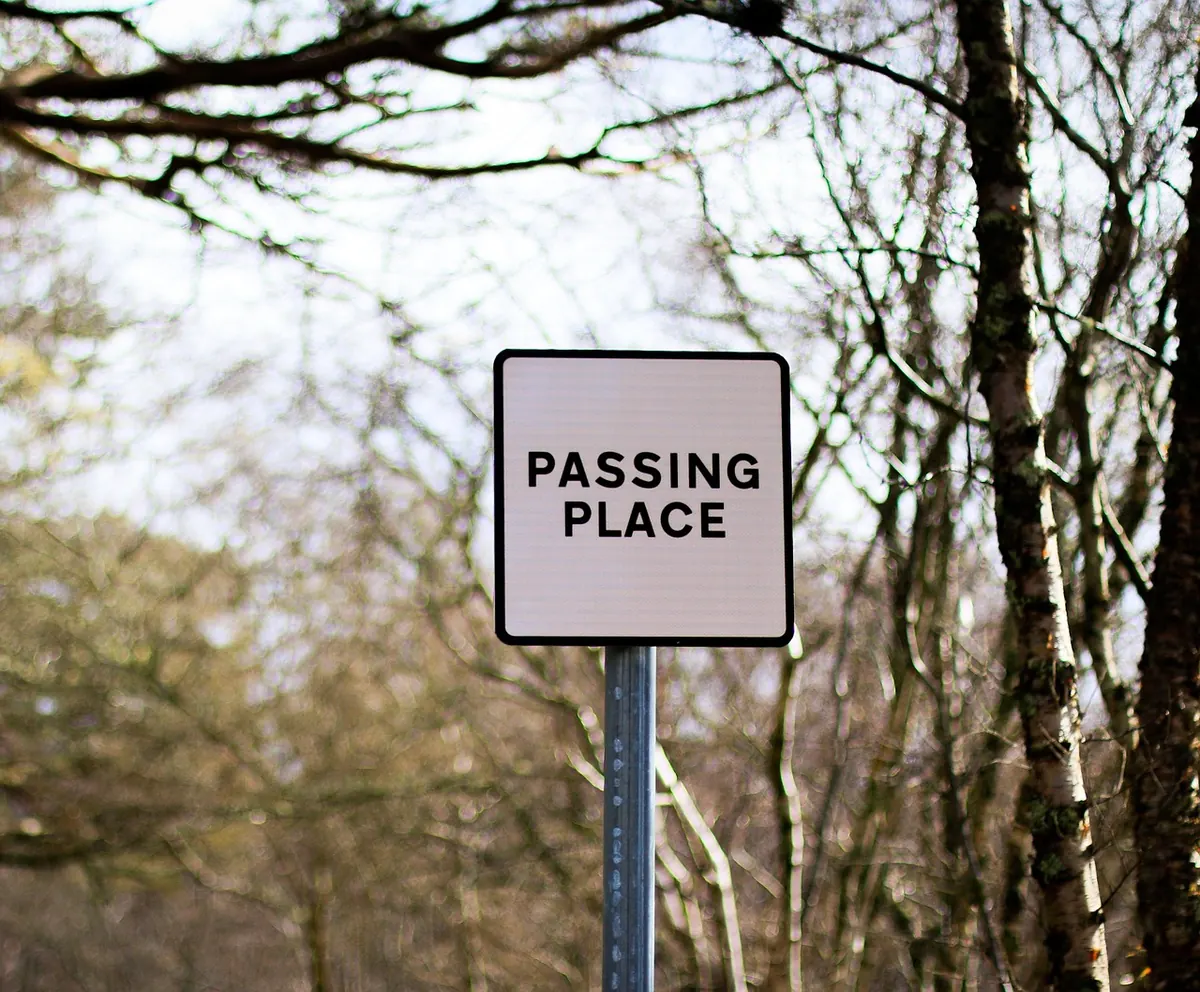

Ask anyone who has driven the North Coast 500 what went wrong and you tend to get the same handful of answers. They ran out of daylight somewhere past Scourie. They queued for fuel in Ullapool behind a convoy of campervans. They discovered, in July, that a single-track road is not the place to learn what a passing place is for. The route runs for just over 500 miles through some of the finest coastal scenery in Europe, and almost every mistake visitors make is avoidable with an hour or two of honest planning.
The three-day dash
The most common error is treating the NC500 as a driving challenge rather than a trip. On paper the loop out of Inverness looks manageable: the run to Ullapool is barely an hour and a bit, John o' Groats back to Inverness is a straightforward morning. What the map does not show is everything in between — the viewpoint you didn't know existed, the twenty-minute wait at a passing place, the seal colony that eats an hour, the roadworks near a bridge.
Give yourself at least five days. A week is better. If you only have three, don't do the whole loop; pick a section, such as Inverness to Durness and back, and do it properly. Two nights in one place beats one night in four, partly because unpacking every evening is miserable and partly because the best parts of the north coast reveal themselves on the second day, not the first. Towns like Ullapool, Gairloch and Durness are all good bases for staying put.
Fuel and charging: fill up before you need to
Fuel is the thing people underestimate most. Stations exist at Garve, Ullapool, Lochinver, Scourie, Durness, Tongue, Bettyhill, Thurso and Wick, among others, but not every one is open every day, and hours shrink sharply out of season. Some are unmanned, some have older pumps, and mobile signal is patchy across Assynt and Strathnaver, which is exactly when you want a card reader to work.
The rule is simple: if you are below half a tank and you see a station, use it. Don't assume the next one is open, stocks your fuel or takes your card. A little cash in the glovebox is cheap insurance.
Electric drivers should plan each charge before setting off rather than hoping. The network has improved, but rapid chargers are thin on the ground and summer queues are real. Ask your accommodation about overnight charging when you book, and always have a fallback.
Single-track roads: the etiquette nobody explains
Most first-time visitors from cities have never driven a single-track road, and it shows. These roads work because of passing places, and they work badly when people misuse them.
- Pull into a passing place on your left to let oncoming traffic through. If the passing place is on your right, wait opposite it so the other driver can use it.
- Never park in a passing place. It is a road, not a layby, and blocking one can force a vehicle into a blind bend.
- On steep hills, downhill traffic should be ready to give way to vehicles coming up.
- Don't wave people past into a blind corner. It is meant kindly; it is also how collisions happen.
- Let faster traffic past. People live and work on these roads, and a local in a pickup behind you is not admiring the view.
The road up to Applecross over the Bealach na Bà carries a sign warning away large vehicles and nervous drivers. It means it.
Booking mistakes that cost you the best bits
Highland accommodation is finite and the north coast fills up fast in summer. Turning up in July and expecting to find a room in Applecross, Torridon or Tongue is optimistic at best. Many places also impose two- or three-night minimum stays in peak season, which can quietly wreck a carefully plotted itinerary built on one-night stops.
The fix is to book beds first and build the route around them, not the other way round. Book the west and north coast stretches earliest — they are the hardest to replace. Try to leave one night flexible so you can stay longer somewhere you fall for. And please don't book a hotel in Inverness and plan to "do" the NC500 as day trips. It cannot be done, and you will spend your holiday on the A9.
Stopping in the wrong places
Everyone wants the photograph, and a fair number of people stop dead in the carriageway to take it. Don't. Use a layby, a car park or a properly marked viewpoint. Pulling onto a verge is a bad idea too: Highland verges are often soft peat and you will either churn up the ground or get stuck, occasionally both.
Beyond parking, remember that you are driving through working communities. Don't block field gates or driveways, close gates behind you if you open them, take your rubbish away with you, and use public toilets where they exist rather than the roadside. Facilities are scarce and it costs nothing to be the visitor that locals are pleased to see return.
Weather, midges and when to go
The west coast is wet. Not always, but often, and the forecast changes quickly. Pack layers, a proper waterproof and footwear that can handle a boggy path. Midges are at their worst from June to August, particularly on still, damp evenings; a head net costs very little and looks ridiculous for exactly as long as it takes to stop being bitten.
May, June and September tend to be the sweet spots: long days, fewer midges in the shoulder months, and quieter roads. June in the far north brings enormous daylight, which is a joy and also the reason some people drive until midnight and wonder why they are exhausted. Winter driving is possible but the days are short, many services close, and you should check conditions before committing to remote sections.
How to plan it properly
None of this is complicated, and getting it right takes an evening with a map and a booking site.
- Work out your daily distance, then cut it by a third. Scenery slows you down.
- Book accommodation before you fix the route, especially for July and August.
- Fuel at half a tank, every time, without exceptions.
- Practise passing places on the quieter stretches before you meet a coach.
- Build in one day with no driving at all, somewhere you like the look of.
- Check the forecast each morning and be willing to change the plan.
If you are adding Orkney, book the ferry well ahead in summer rather than on the day. If you are travelling with a large motorhome, think hard about which sections suit it and which do not.
The North Coast 500 does not reward speed. It rewards the traveller who drives a little less, stops a little more, and leaves room in the day for the thing they did not expect. Plan for that, and the road will give you the trip everyone else comes home talking about.
Photo: Toby_Parsons / Pixabay