



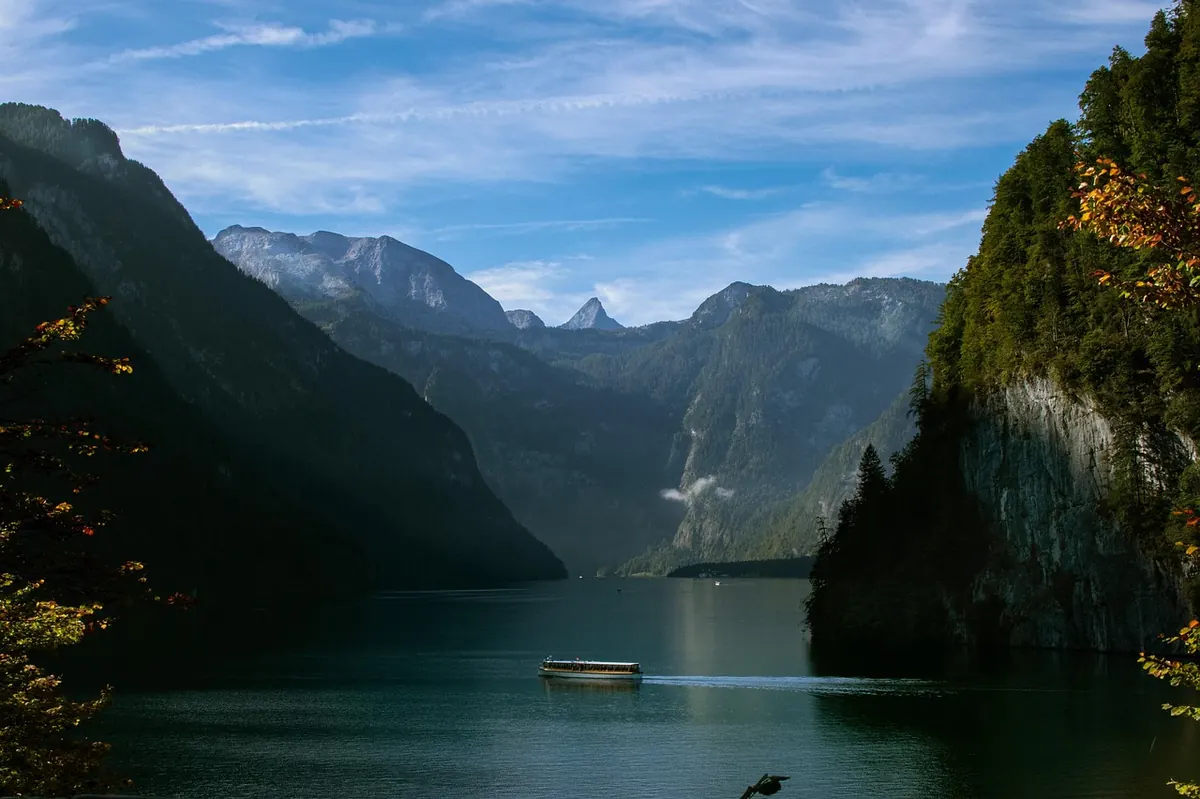
The first time you stand at the edge of a Scottish loch, the shore stops being the point within about thirty seconds. The water is enormous, dark and oddly quiet, and you want to be on it. Two options do most of the work for first-time visitors: a scheduled cruise, or a guided kayak tour. They cost different money, suit different people and show you different things.
Cost: what your money actually buys
A cruise is the simpler transaction. You pay a set fare per person for a set departure, usually somewhere between one hour and a full day depending on the loch. Family tickets and child concessions are common, and on bigger operators you can often choose between an indoor saloon and an open deck. Add parking, a coffee and a look round the gift shop and you have your total. The steamer on Loch Katrine, the boats running out of Fort Augustus on Loch Ness, the trips from Balloch on Loch Lomond: the model is the same everywhere.
A guided kayak tour usually costs more per hour, and that is not a rip-off. You are paying for a small group, a guide, and a boat, paddle and buoyancy aid that would cost a fortune to buy and a nuisance to hire separately. Groups are often six to ten people, sometimes fewer. Ask what is included before you book, because some operators throw in wetsuits, dry bags and a hot drink, and some do not.
Two things worth checking either way: whether the operator is properly insured and licensed for what they are doing, and what qualifications the guides hold. Reputable paddlesport operators will answer that question without flinching.
Accessibility: who each one actually suits
Cruises win comfortably here for mixed groups. Grandparents, small children, someone with a bad knee, a friend who cannot swim and has no intention of learning: all fine. Boarding usually means a ramp or a step down, so if mobility is a concern, ring ahead and ask about the specific boat rather than assuming. Lochs can also get choppy in a stiff wind, so if anyone in your party is prone to seasickness, take the usual precautions.
Kayaking asks a bit more. You need to get in and out of the boat, sit for two or three hours and put a paddle in the water. That is not an athlete's requirement, but it is a real one. Tandem kayaks let a stronger paddler carry more of the work, and sit-on-top designs are more forgiving than narrow sea kayaks for a first outing. Be honest with the operator about your fitness, your swimming ability and any medical conditions, including back trouble or a heart condition, and speak to your GP if you are unsure.
One piece of reality: Scottish loch water is cold in every month of the year. If you capsize, the first thirty seconds are a shock regardless of the air temperature. That is exactly why buoyancy aids exist, and why you wear one done up properly, every time, even when the water looks like glass.
Wildlife: the view from the deck versus the waterline
Cruises cover distance. That matters if you want to reach an island, a cliff or a seal colony that would take you hours to paddle to. Good operators slow down or cut the engine near wildlife, and a commentary is genuinely useful when you cannot tell a greylag from a grebe. On the bigger lochs you might see red deer on the hillsides, ospreys hunting in summer, or a white-tailed eagle if you are lucky and patient.
Kayaks get you close, quietly. Sitting at water level changes the scale of everything: a common seal surfacing ten metres away is a different event from one seen through a boat window. Otters, divers and grebes are far less bothered by a still, slow-moving boat than by an engine. But nobody can promise you an otter. Wildlife is not on a timetable, and any operator who guarantees sightings is selling you something they cannot deliver.
Good practice applies to both: keep your distance, never chase an animal, and follow the Scottish Marine Wildlife Watching Code. If a seal or a bird changes what it is doing because of you, you are too close.
Binoculars will do more for your wildlife watching than any camera lens. Take a pair.
Weather: the deciding vote in Scotland
Cruises run in rain. They run in drizzle, in haar and in the flat grey light that makes a loch look like a photograph from a century ago. Wind is the thing that stops them, and on the big exposed lochs that happens more often than visitors expect.
Kayak tours are more weather-sensitive still. Wind is the enemy of a pleasant paddle, and most operators will cancel above a certain forecast rather than put a group on the water. Rain plus wind equals misery; fog can scrub a trip too.
So build in slack. If your stay is three days, book the kayak for the first full day and keep the cruise as a fallback, or the other way round. Ask about the cancellation and refund policy before you pay, and make sure you have a phone number to ring on the morning.
What to wear and take
- Both: waterproof jacket, warm layers (not cotton), hat, sun cream, sunglasses, water, snacks, midge repellent for still evenings, and a dry bag or case for your phone.
- Kayaking: clothes you do not mind getting wet, quick-drying trousers, footwear that can get soaked, and spare socks in the car.
- Cruising: an extra warm layer even in July, because open decks are breezy, plus binoculars and a camera with a strap round your neck.
- Never: jeans for a paddle. They hold water and lose all their warmth.
How to choose, quickly
- Short on time, or a group with mixed ages and abilities? Take the cruise.
- Only one day in the area and no flexibility? The cruise is far more likely to run.
- Want wildlife at close range and happy to do some of the work yourself? Book the kayak.
- Anyone in your party unable to swim or nervous on the water? Cruise, or a large stable boat.
- Got a full day and a spare one behind it? Paddle in the morning, cruise in the afternoon.
Booking well and behaving well
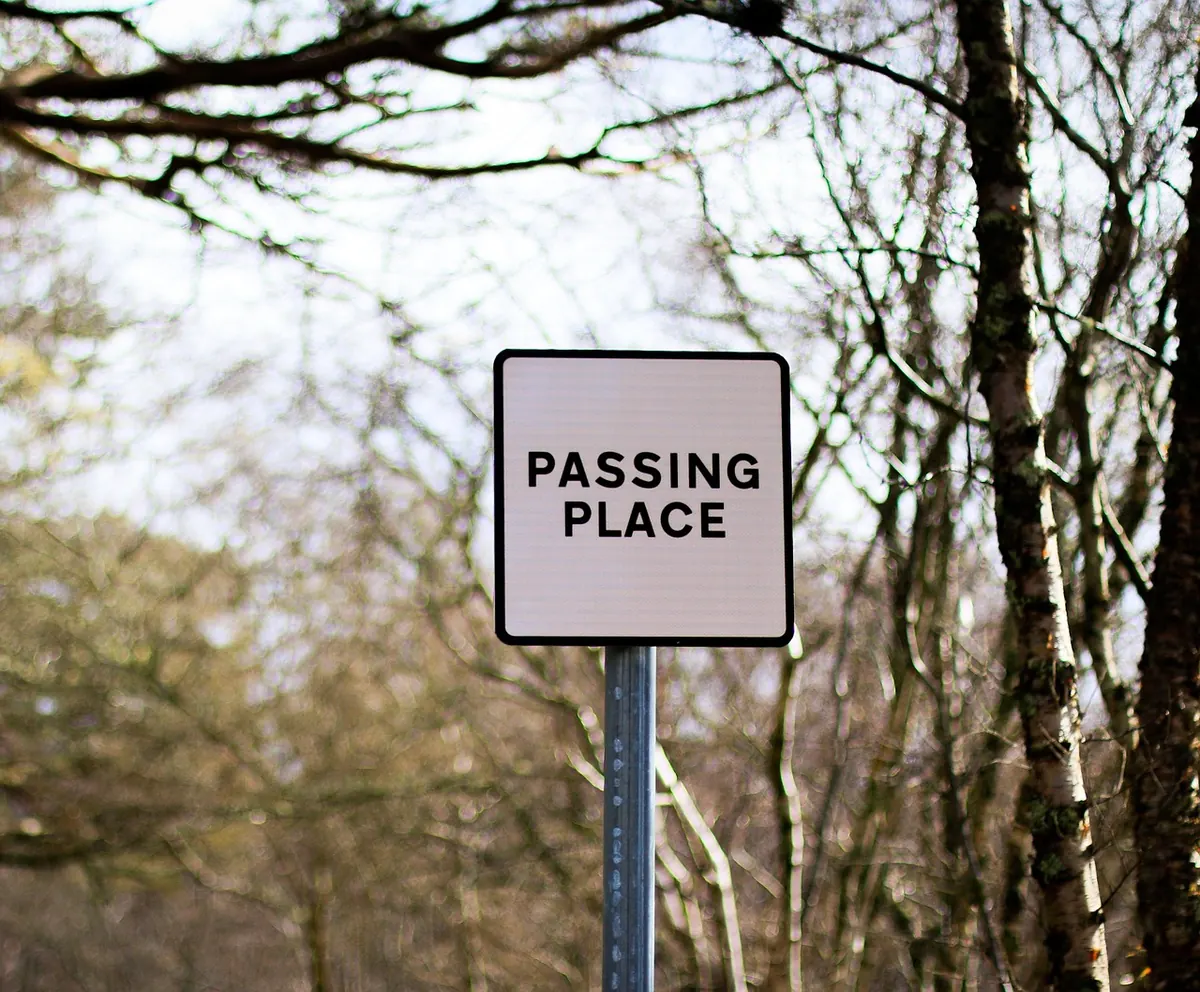
Book ahead in July and August, especially small-group kayak tours, which fill up fast. Early morning and late afternoon usually mean calmer water, softer light and fewer people. Check where you will park, because lochside car parks fill by mid-morning in high season, and never leave a car in a passing place.
Take your litter home, use the toilets at the jetty rather than the bushes, and keep your distance from nesting birds on the shore. Scotland's lochs are working landscapes, not theme parks, and the reason they look the way they do is that most people treat them with a bit of care.
Whichever you pick, get out on the water at least once. You can photograph a loch from the road any day of the year. You can only feel it from a boat.
Photo: oohajo / Pixabay